
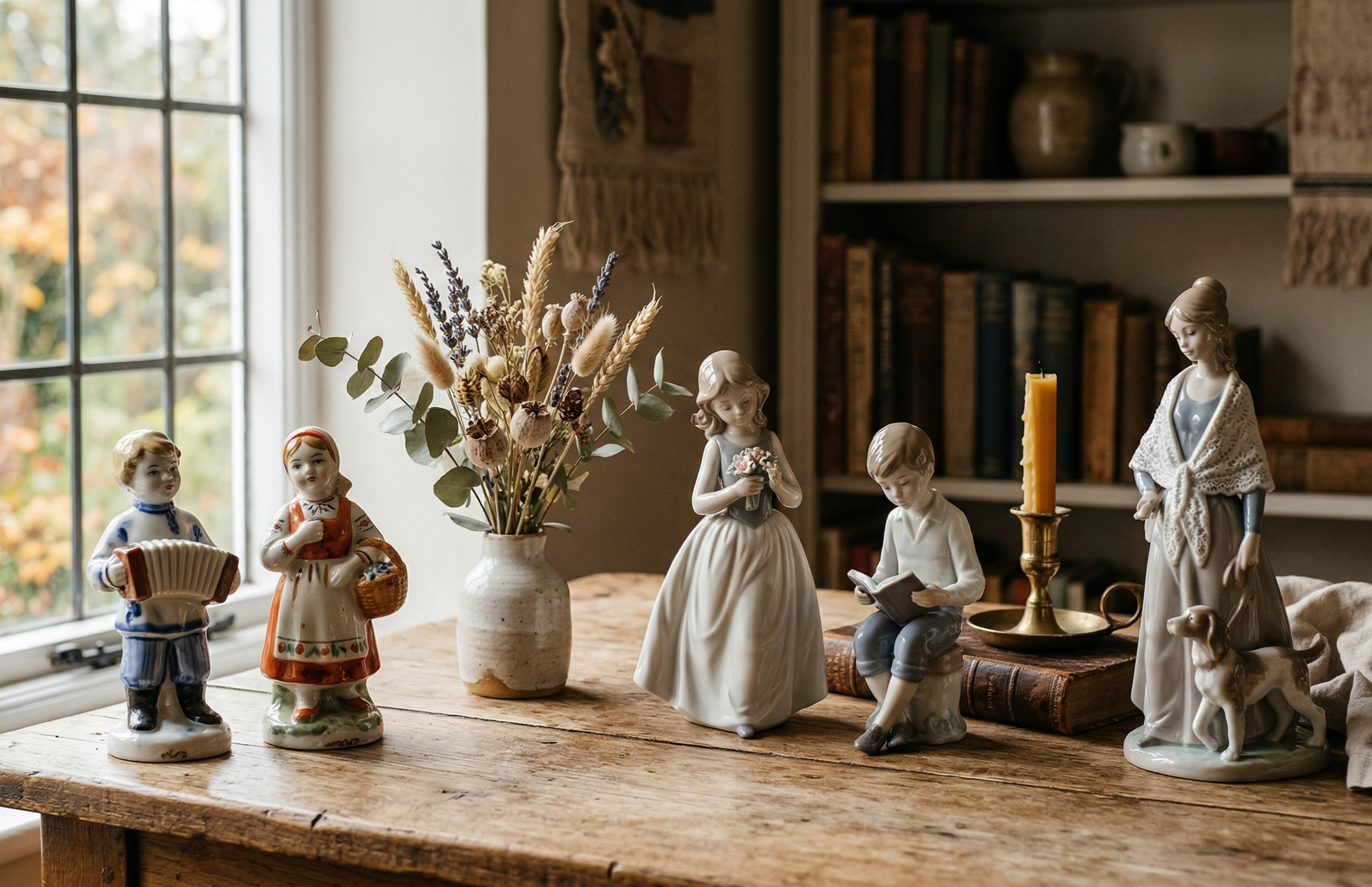
There is a unique magic to vintage porcelain figurines. These miniature sculptures are more than just decorative objects; they are snapshots of history, artistry, and culture, frozen in time. For new and seasoned collectors alike, navigating this world can be both exciting and overwhelming.
This guide will explore the distinct characteristics of three fascinating categories: the delicate romance of Nao, its famous sibling Lladró, and the characterful storytelling of USSR-era porcelain.
What is the Difference Between Lladró and Nao?
This is one of the most common questions in the world of Spanish porcelain. Both brands originate from the same family and region, but they have key differences:
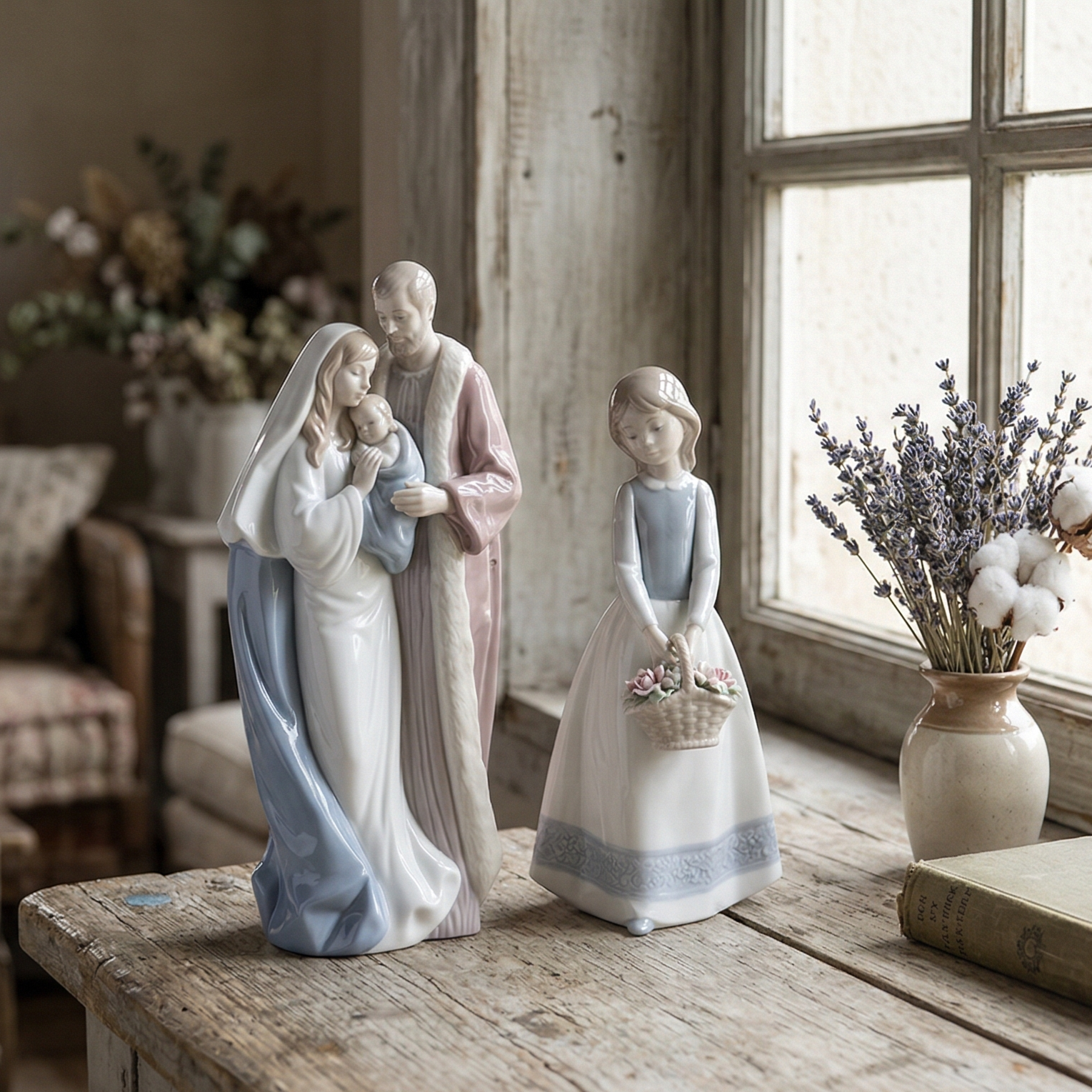
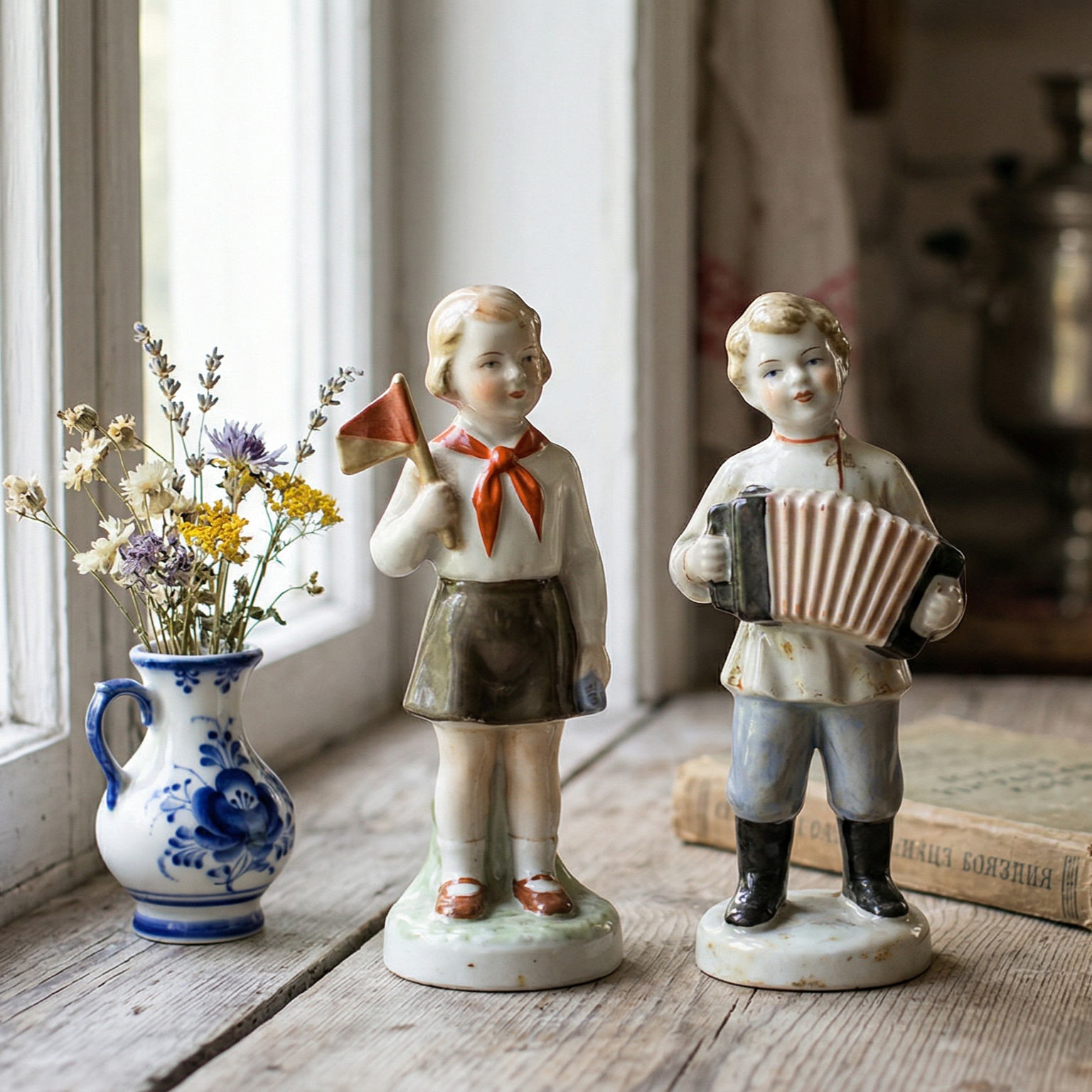
Lladró: Founded in 1953 by the three Lladró brothers, the brand is known for its complex, large-scale pieces, glossy finish, and signature pastel colour palette. Lladró pieces are often seen as the more formal, intricate, and high-end of the two. The Lladró Museum highlights its successful history.
Nao: Created in 1967, Nao was positioned as a more accessible brand, often featuring simpler themes, more rustic details, and a focus on capturing everyday moments and youthful innocence. While still handcrafted with incredible skill, Nao figurines have a slightly more relaxed, whimsical feel, suitable for people of all tastes and preferences, as illustrated by the World Collectors Net.

The Unique Character of USSR-Era Figurines
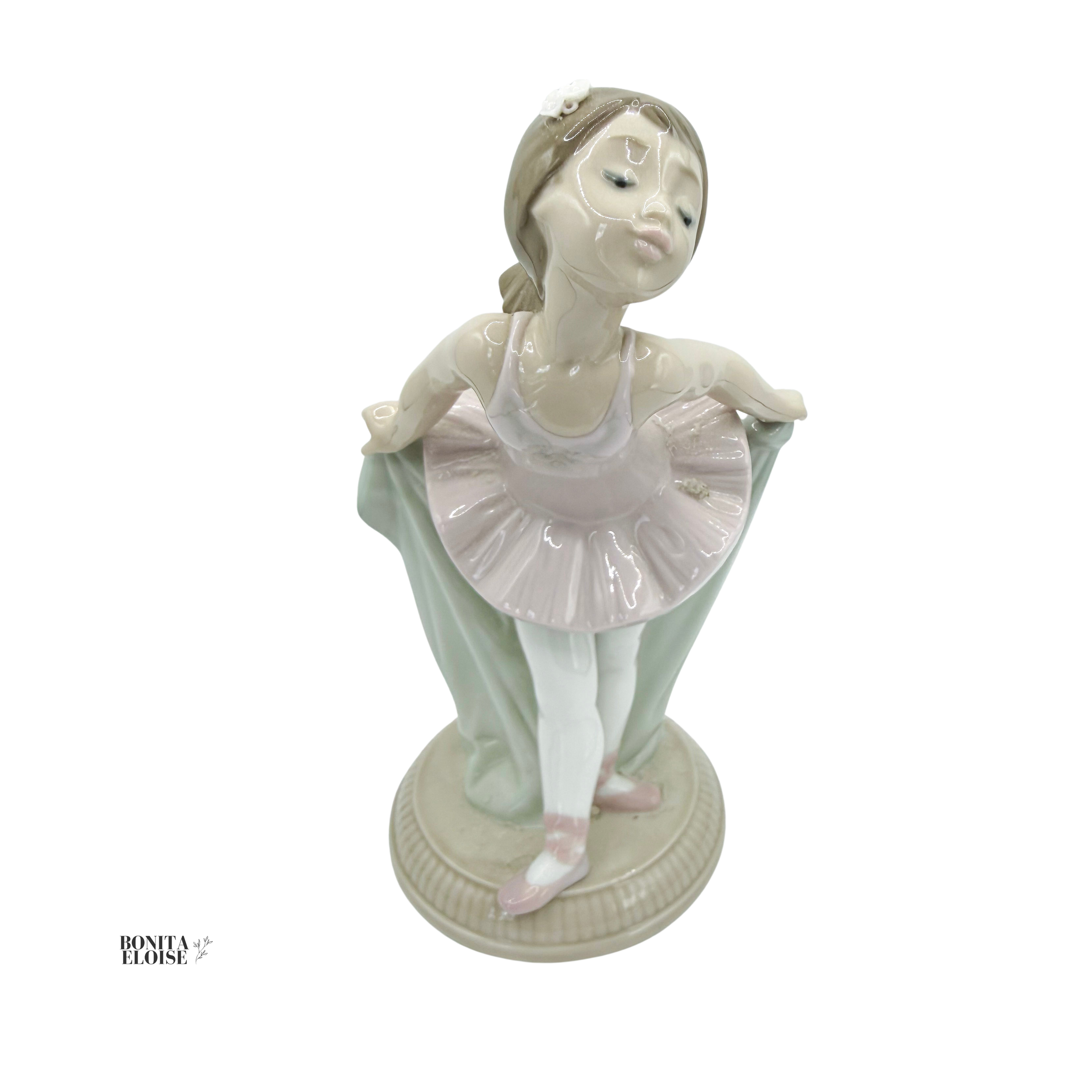
Soviet-era porcelain tells a completely different story. Produced from the 1920s to the 1990s, these figurines were often tools of the state, designed to celebrate the ideals of the Soviet Union. They depict workers, athletes, characters from folklore, and scenes of daily life, all with a distinct, character-driven style.
Artistic Style: Often bold, dynamic, and expressive, with a focus on movement and narrative.
Themes: Celebrated labour, family, sport, and cultural heritage. You will find ballet dancers, factory workers, and characters from Russian fairy tales.
Value: Once overlooked, these pieces are now highly sought after by collectors for their historical significance and unique artistic merit.
In this article, Christie’s offers a comprehensive guide to Soviet porcelain and how to start collecting them.
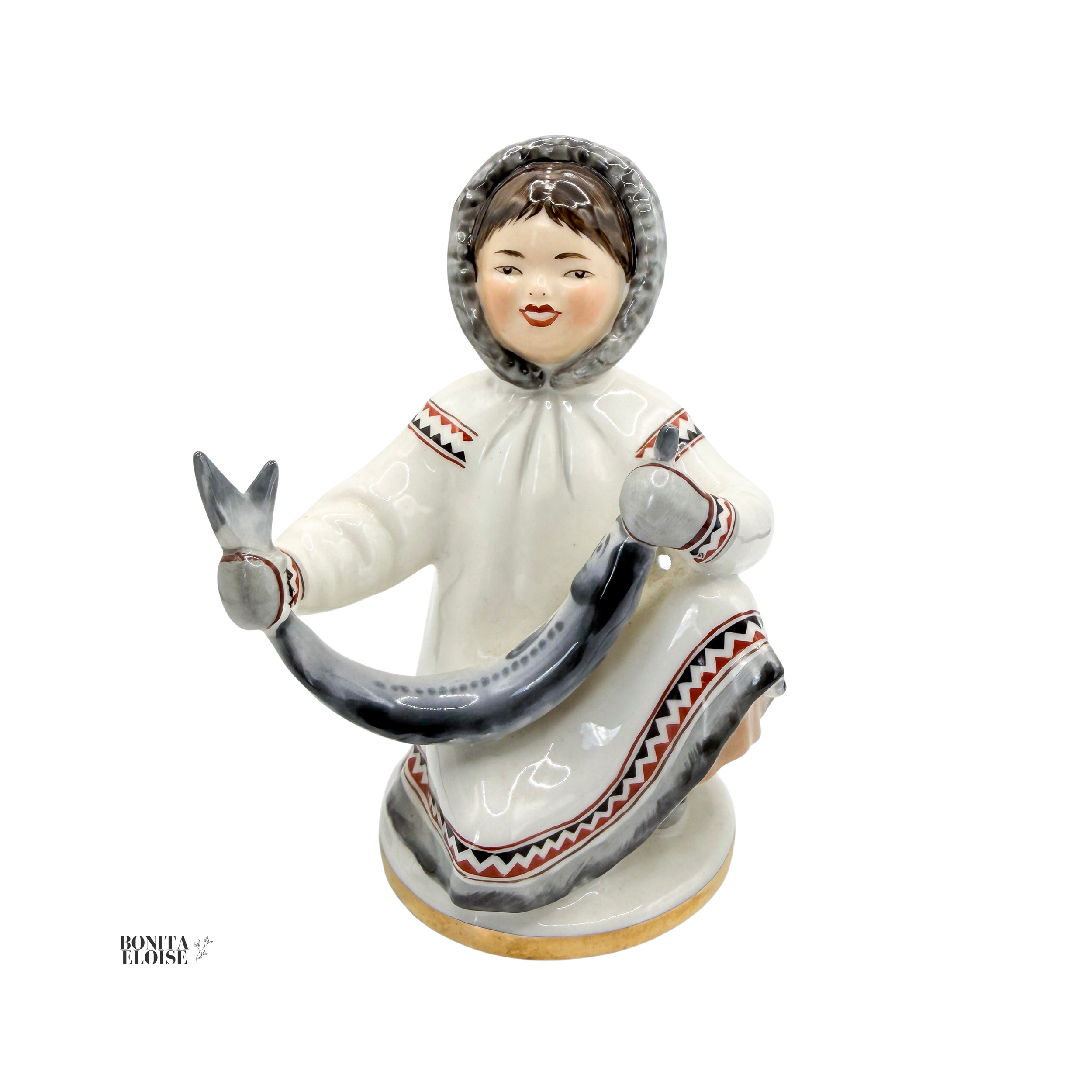
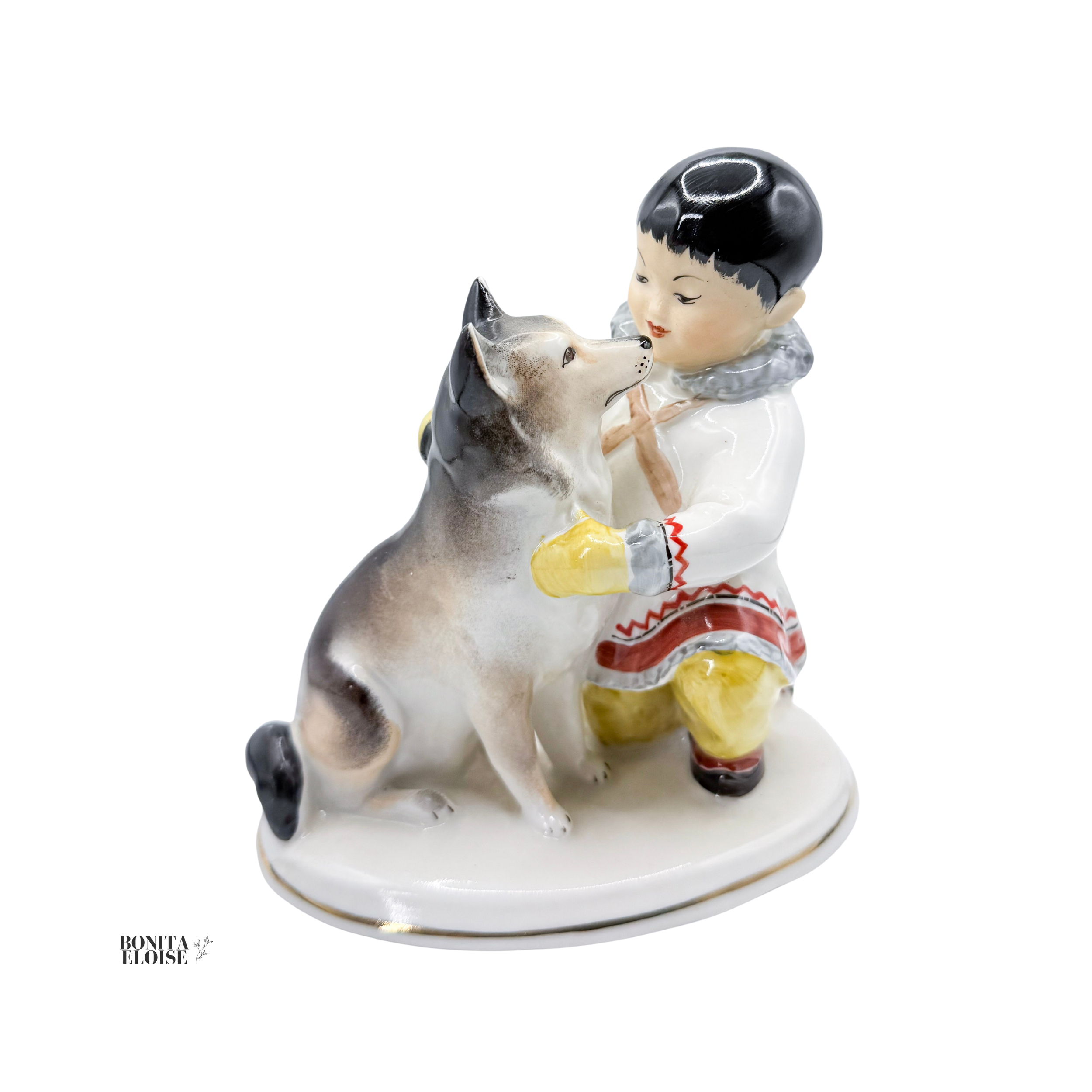
How to Start Your Collection
Start with What You Love: Do you prefer the romanticism of Nao or the historical narrative of a Soviet piece? Choose what speaks to you.
Check for Marks: Turn the piece over. Look for the Nao or Lladró backstamp. Soviet pieces often have factory marks (like the Lomonosov logo) that can help you date them.
Examine for Damage: Check carefully for any chips, cracks, or repairs, as this will affect the value.
Buy from Reputable Sources: Whether it’s a trusted vintage shop (like ours!) or a reputable online seller, ensure you are buying from someone who understands and guarantees their pieces.
Whether you are drawn to the gentle charm of Nao, the formal elegance of Lladró, or the historical depth of Soviet porcelain, collecting vintage figurines is a deeply rewarding journey. Each piece is a testament to the hands that made it and the era it came from. Happy collecting!